Plateau Of Dinosaurs
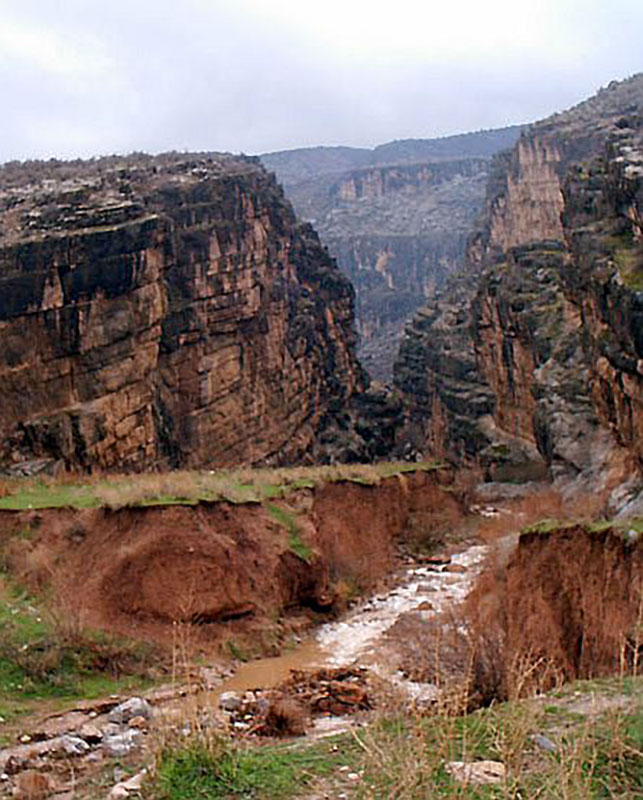
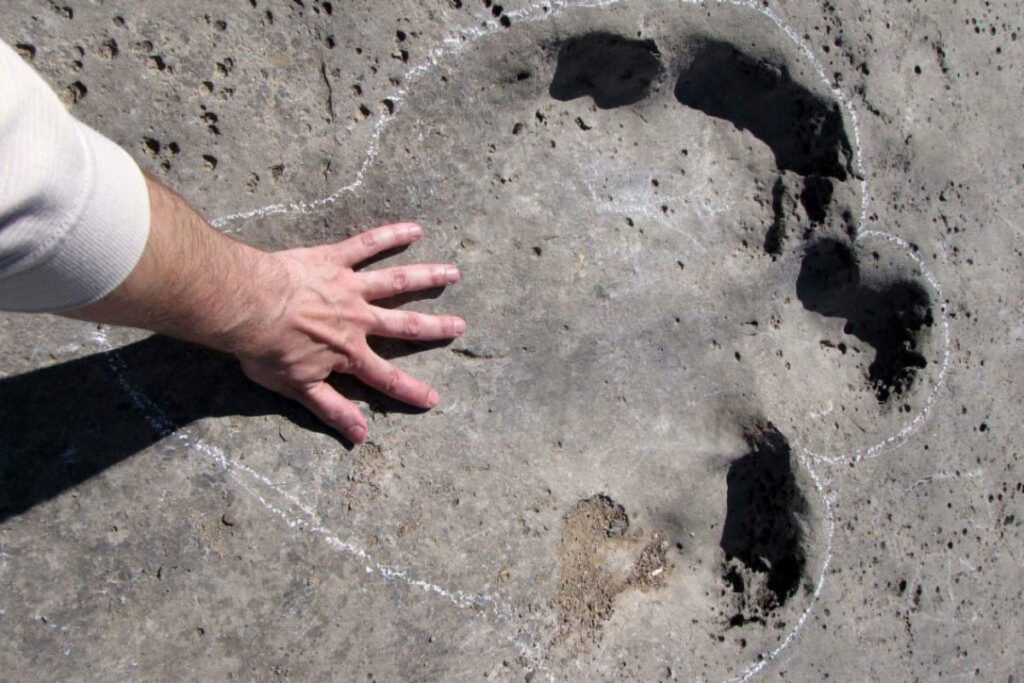
In the very East of Turkmenistan, in the mountains Kugitangtau (called Koytendag), at an altitude of 1500 meters, is one of the most amazing natural attractions – Dinosaur plateau. In fact, it is lying on the hillside a large limestone plate, which path is half an hour from the small village of Hojapil. The world first learned about this place in 1980 and it immediately became known as the largest “repository” of dinosaur footprints. Like the dinosaur footprints were also found in Uzbekistan, Tajikistan, China and the United States, but equal to the given cluster is not found – there are about 150 paw prints of various sizes and degrees of preservation.
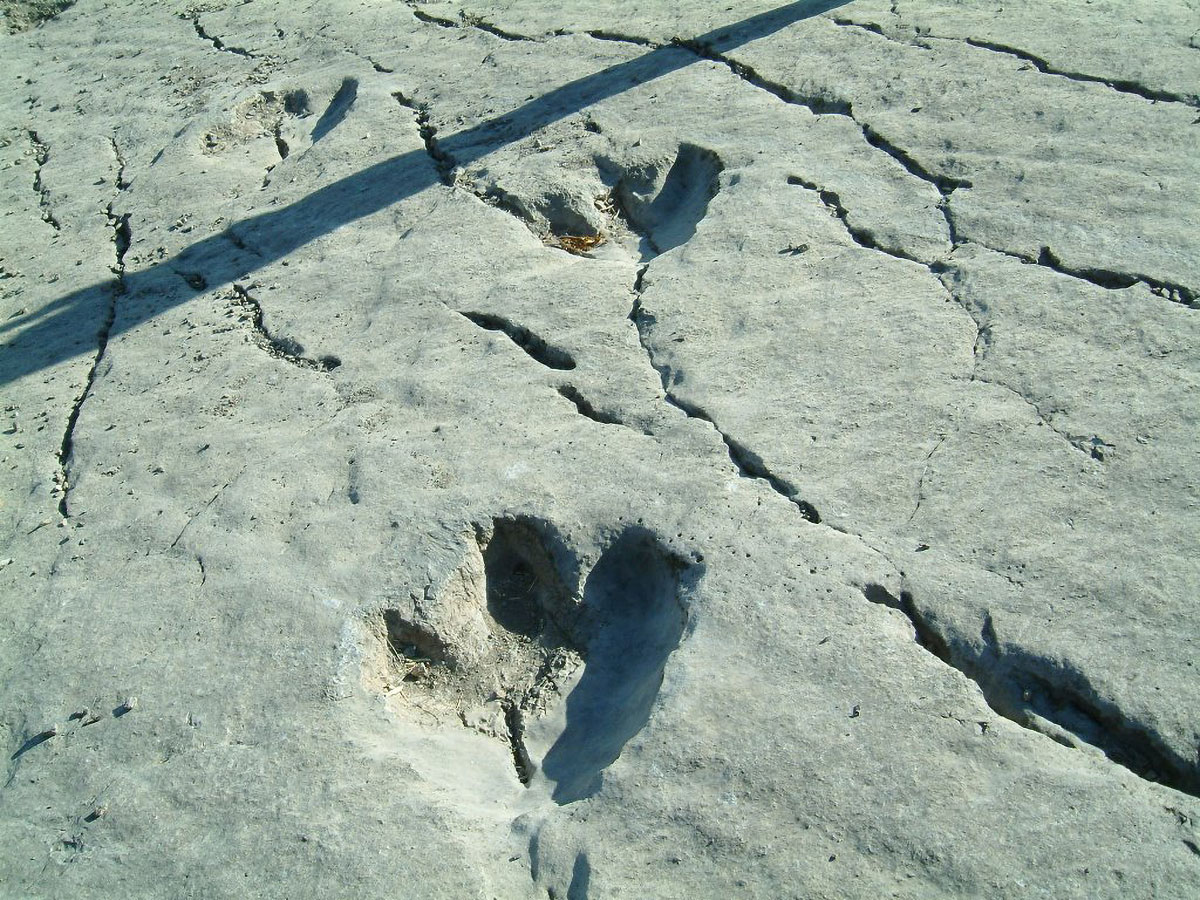
The plateau itself is a platform of dimensions 200×80 meters, which is tilted by 17-20 degrees. Around this uncovered limestone area stretched the usual earthy slopes, covered with bushes and grass, and on the outstretched slab scattered a string of huge tracks. Petrified cavities have dimensions from 20 to 70 cm, and belong to three types of dinosaurs of the Jurassic period, which have not been accurately identified. Some scientists suggest that these are traces of megalosaurus, iguanodon and tyrannosaurus. Interestingly, along with traces of dinosaurs were found the imprints of a human or humanoid creature, but their origin is still a mystery.
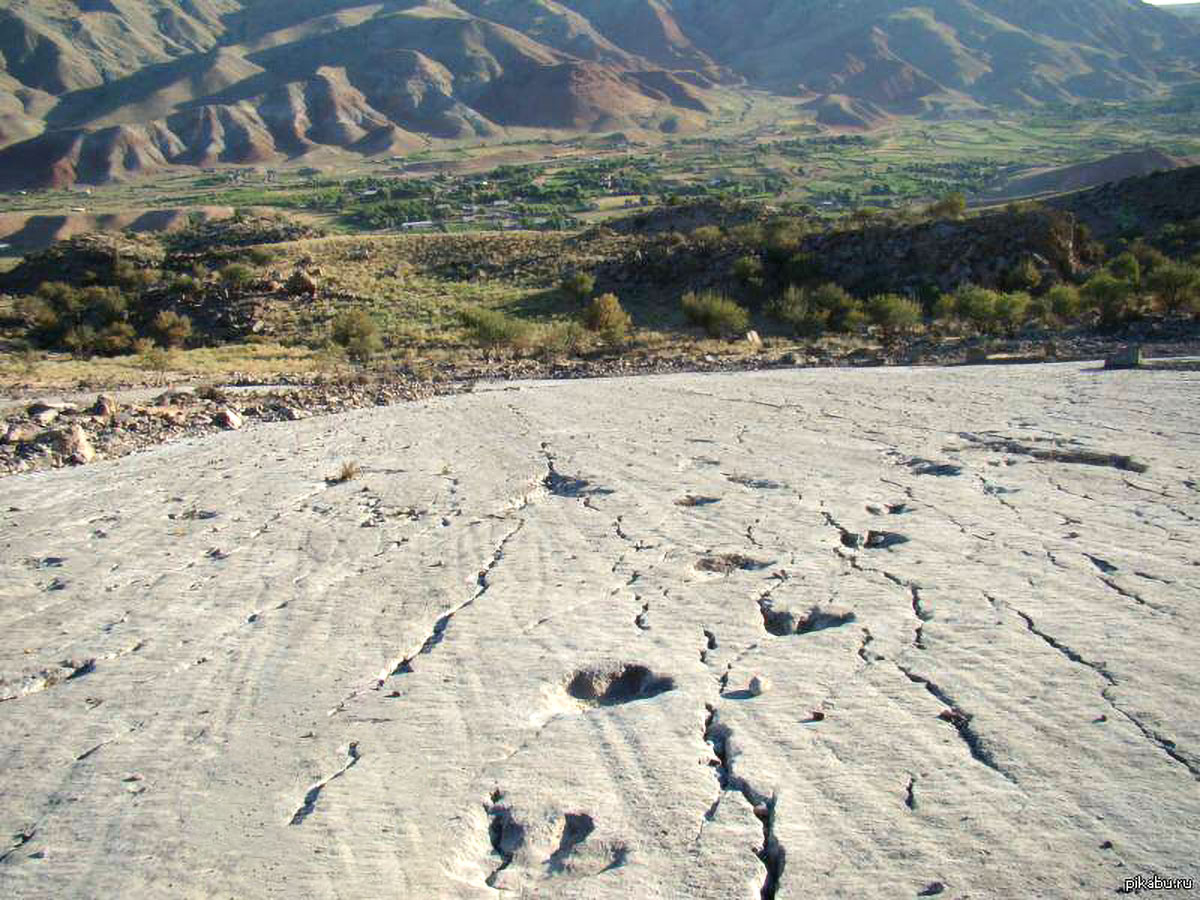
The process of the appearance of the Dinosaur Plateau is described as follows. About 145-150 million years ago, at the end of the Jurassic period, here was the bottom of a shallow lagoon, over which huge dinosaurs walked. Soon after, the water receded and the former bottom dried up, turning into a hard limestone layer. Millions of years later, as a result of geological processes, tectonic plates collided and this area formed a heap of rocks. Plate, previously lying horizontally, tilted and rose to its present height. And in a few million years more softer rocks were blurred by water and winds, exposing this small area with the “autographs” of prehistoric animals.